Understanding Luxury: A Cultural Perspective
Defining Luxury in Today’s Society
Luxury, as a concept, has evolved significantly over time. In today’s world, it transcends mere possession of expensive items; it embodies a lifestyle characterized by abundant comfort and exclusive experiences. The modern definition of luxury aligns with individual perceptions and societal values, encapsulating a sense of identity and status. While luxury goods were once limited to the elite, the rise of a global middle class has democratized the notion, enabling wider access to luxury experiences and products.
To comprehend the nuances of luxury today, it is essential to consider the factors shaping consumer perceptions, including cultural backgrounds, personal aspirations, and social influences. Luxury is no longer solely about opulence; authenticity, craftsmanship, and ethical consumption have come to play pivotal roles in its definition.
The Evolution of Luxury Goods
The history of luxury goods begins with the elite class of ancient civilizations, where items such as gold, silk, and spices symbolized wealth. Fast forward to the 18th century, where the concept became associated with brands and quality craftsmanship, most notably in Europe., The Industrial Revolution marked a turning point, making luxury items more accessible to the growing middle class and leading to the emergence of luxury brands.
As society progressed, luxury goods evolved to reflect cultural shifts. The development of fashion houses in the late 19th and early 20th centuries—brands like Louis Vuitton, Chanel, and Gucci—transformed luxury into a lifestyle aspiration. Today, the luxury market focuses not just on products but on experiences, from exclusivity at high-end resorts to meticulously curated personal experiences.
Cultural Significance of Luxury Items
Luxury items are often vessels of cultural significance, serving as symbols of status, achievement, and personal identity. Across different societies, these items can signify success; in certain cultures, owning luxury goods can enhance one’s social capital. Furthermore, luxury goods often reflect cultural heritage and artistry, enriching their value beyond mere functionality.
The craftsmanship embedded in luxury items serves as a testament to tradition and expertise, inviting consumers to connect with history while elevating their status. This cultural resonance contributes significantly to the ongoing desirability of luxury goods in various contexts.
The Economic Impact of Luxury Goods
Luxury Goods and Consumer Behavior
The luxury market has witnessed a dynamic shift in consumer behavior, driven by personalization, digital engagement, and shifting priorities. Understanding the psychology of luxury consumers reveals their desire not merely for products but for an identity associated with exclusivity and prestige. High-income earners today are increasingly discerning, driven by experiences over ownership, which reflects a broader trend toward experiential luxury.
Studies indicate that luxury consumers seek authenticity, exclusivity, and craftsmanship in their purchases. This shift encourages brands to focus on personalized, memorable experiences that engage consumers on an emotional level rather than just selling a product. Additionally, digital channels play a critical role in shaping consumer awareness and engagement, as potential buyers increasingly rely on social media and online reviews to inform their luxury purchases.
Market Trends in Luxury Sales
The luxury market continues to grow, with projections indicating significant increases in sales across various segments, driven by both emerging markets and digital transformations. Notable trends include a rise in sustainable luxury goods, where brands focus on ethical sourcing, eco-friendly production processes, and a commitment to social responsibility.
Furthermore, there is a notable shift towards gender inclusivity in luxury branding, with an increasing number of men seeking luxury products previously dominated by women. Additionally, the rise of the millennial and Gen Z demographics is reshaping luxury consumption patterns, emphasizing experiences and values aligned with personal beliefs over traditional displays of wealth.
The Role of Luxury Brands in the Economy
Luxury brands significantly contribute to the global economy, offering employment, driving innovation, and influencing consumer spending habits. They play a key role in tourism, with luxury travel and hospitality sectors heavily reliant on affluent consumers seeking unique experiences.
The economic impact extends to ancillary industries, including raw material sourcing, manufacturing, and logistics. Luxury brands foster a complex ecosystem that generates economic activity beyond their immediate sales figures. Furthermore, they are crucial for small artisans and local craftsmen, contributing to their livelihoods and preserving traditional skills.
Experiencing Luxury: The Art of Indulgence
Creating Luxurious Spaces at Home
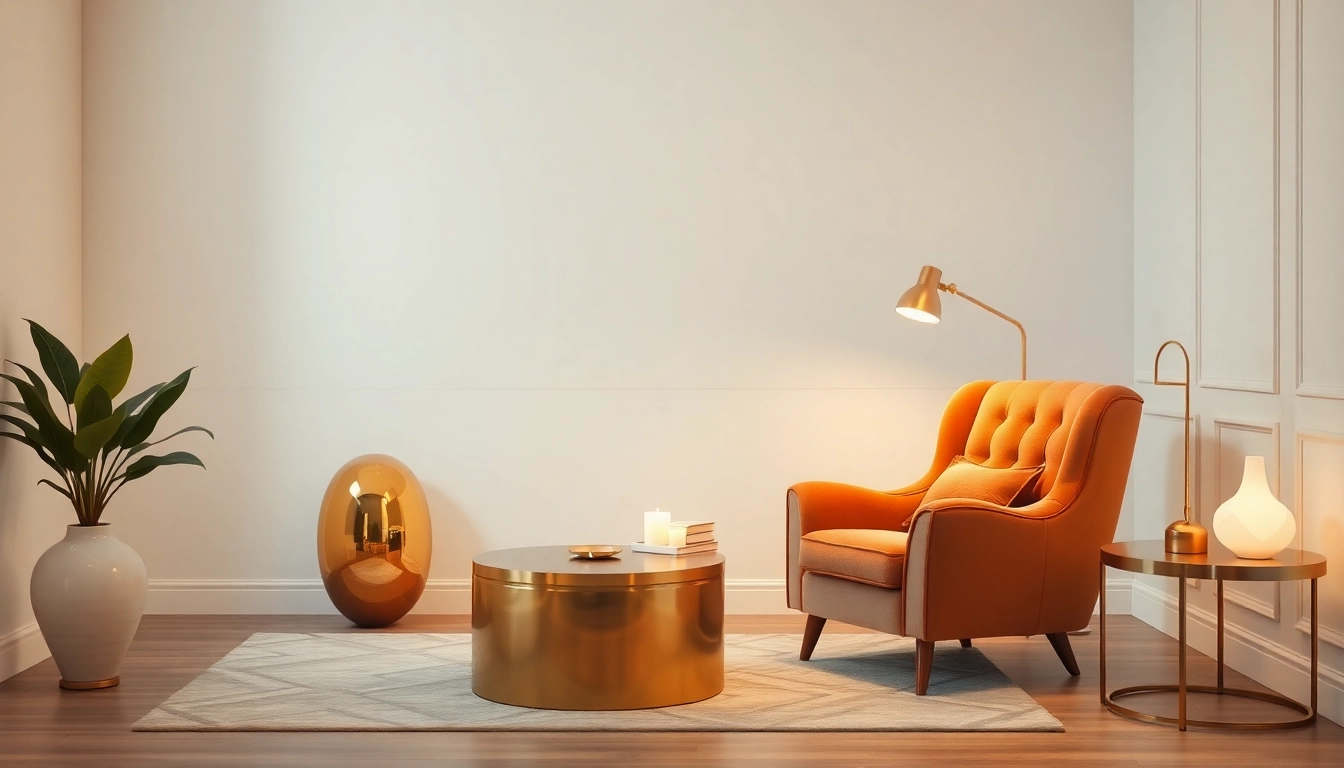
Luxury transcends mere product acquisition, extending into the realm of lifestyle and home environments. Crafting a luxurious environment at home involves careful consideration of design, comfort, and personalization. Elements such as high-quality furnishings, opulent textiles, and curated art collections can transform a space into a sanctuary of luxury.
Incorporating technology to enhance comfort can also elevate the experience, with smart home devices catering to personalized preferences. Additionally, spatial arrangements that promote relaxation and well-being, paired with natural elements like plants and natural light, contribute to a luxurious atmosphere.
Luxury Travel Experiences to Savor
The luxury travel industry has seen a renaissance in recent years, with discerning travelers seeking unique and immersive experiences. Luxury travel is about more than destination; it centers on curated experiences that offer personal enrichment, adventure, and relaxation.
From private yacht charters in the Mediterranean to exclusive wellness retreats in the Himalayas, luxury travel experiences prioritize personalization and exclusivity. High-end travel brands are innovating with tailored itineraries, facilitating unique interactions with local cultures, and offering mouthwatering gastronomy experiences that capture the essence of their locations.
Fine Dining: A Luxurious Culinary Journey
Fine dining represents the zenith of culinary art, where luxury is experienced through exquisite cuisine and unparalleled service. Michelin-starred restaurants exemplify this realm, delivering unique culinary experiences that highlight the fusion of artistry and gastronomy.
Luxury dining extends beyond the plate; it incorporates ambiance, service excellence, and attention to detail. From intimate settings to breathtaking views, every aspect contributes to a memorable evening. Moreover, exclusive access to chefs and unique dining experiences, like private tastings or themed dinners, allows guests to indulge in culinary luxuries that transcend traditional dining norms.
Luxury Brands: The Titans of Indulgence
Exploring Iconic Luxury Brands
Luxury brands such as Chanel, Louis Vuitton, and Rolls-Royce have become synonymous with luxury due to their timeless appeal and unwavering commitment to quality. These iconic brands have established themselves as titans of indulgence, continually adapting to consumer demands while preserving their historical significance.
Each of these brands offers a unique legacy that resonates with consumers. For instance, Chanel’s appeal lies in its embodiment of elegance and empowerment, while Louis Vuitton epitomizes travel luxury and artistry in craftsmanship. Meanwhile, Rolls-Royce represents the pinnacle of automotive engineering and opulence.
What Sets Luxury Brands Apart
Luxury brands differentiate themselves through a combination of quality, heritage, exclusivity, and storytelling. Superior craftsmanship, often honed over decades, is a hallmark of luxury branding. Additionally, many luxury brands maintain a limited production to preserve exclusivity, creating a perception of rarity that enhances desirability.
Furthermore, effective storytelling allows luxury brands to convey their brand heritage and vision, enabling consumers to connect with them on an emotional level. This connection is pivotal for consumer loyalty, as affluent consumers gravitate toward brands that resonate with their personal values and experiences.
The Future of Luxury Branding
The future of luxury branding is poised for transformation, driven by technological advancements and shifting consumer expectations. Digital platforms are launching luxury experiences that merge online and offline realms, making luxury more accessible while maintaining exclusive elements.
Moreover, sustainability and ethical practices are becoming increasingly critical in shaping luxury branding. Consumers now seek brands that align with their ethical priorities and demonstrate a genuine commitment to environmental stewardship. Luxury brands that successfully integrate these values into their narratives will likely emerge as leaders in the market.
Luxury and Sustainability: A New Frontier
Eco-conscious Luxury: A Growing Trend
Sustainability in luxury is no longer a trend but a necessity. Consumers are more conscious about the environmental impact of their purchases, leading to an increased demand for eco-friendly luxury goods. Brands are responding by adopting sustainable practices, utilizing responsibly sourced materials, and ensuring ethical labor practices.
Luxury brands are developing collections that prioritize durability and timeless design, reducing waste and promoting responsible consumption. This shift enhances brand reputation while appealing to the changing values of modern consumers.
The Impact of Ethical Practices on Luxury
Ethical consumerism is reshaping the luxury landscape, prompting brands to create transparent supply chains. Consumers are now more knowledgeable about where and how products are made, leading them to support brands committed to ethical practices.
Luxury brands that embrace ethical practices—such as fair trade, sustainable sourcing, and animal welfare—are rapidly gaining traction with consumers who prioritize social responsibility. The impact of these practices extends to brand loyalty, as consumers are inclined to support brands that align with their values.
Building a Sustainable Luxury Lifestyle
Creating a sustainable luxury lifestyle involves making conscious choices that prioritize quality and mindfulness over materialism. Incorporating ethically sourced luxury items that provide both aesthetic and functional value becomes key in this approach.
Furthermore, adopting experiences that honor local cultures and sustainability—like eco-lodges or gourmet farm-to-table dining—aligns luxury living with responsible consumption. By recognizing the connection between luxury and sustainability, consumers can enjoy indulgent experiences while contributing positively to the world around them.